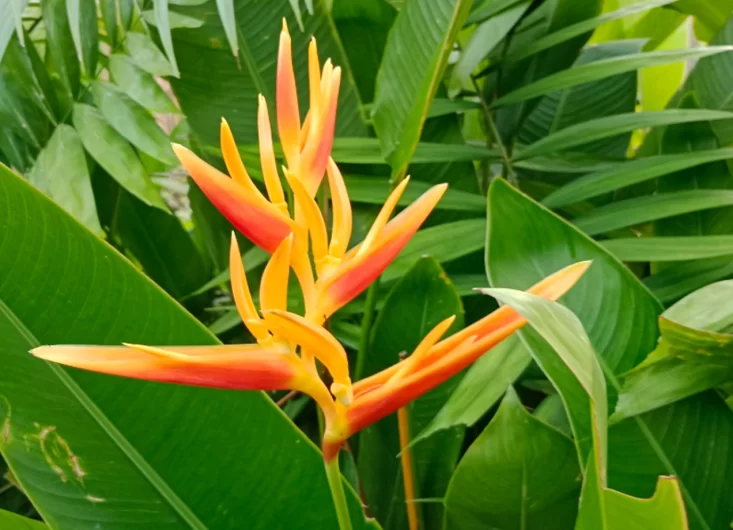
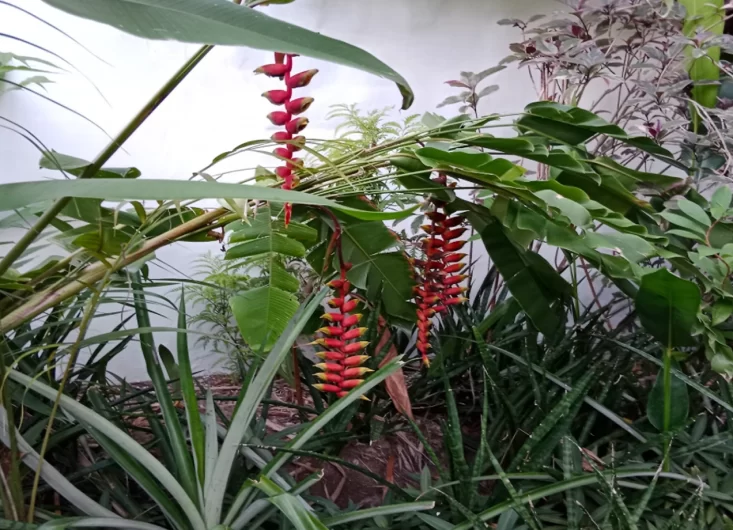
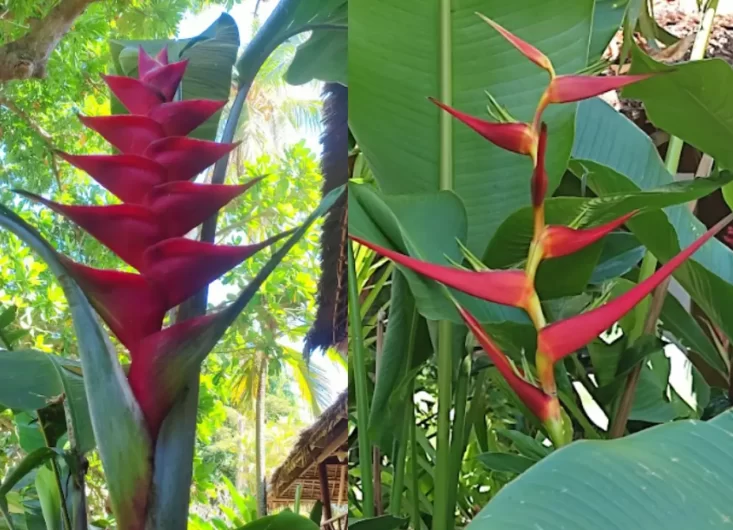
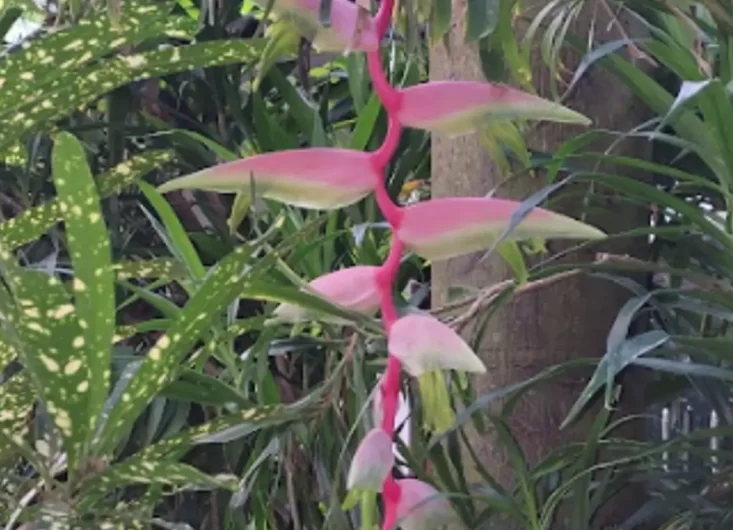
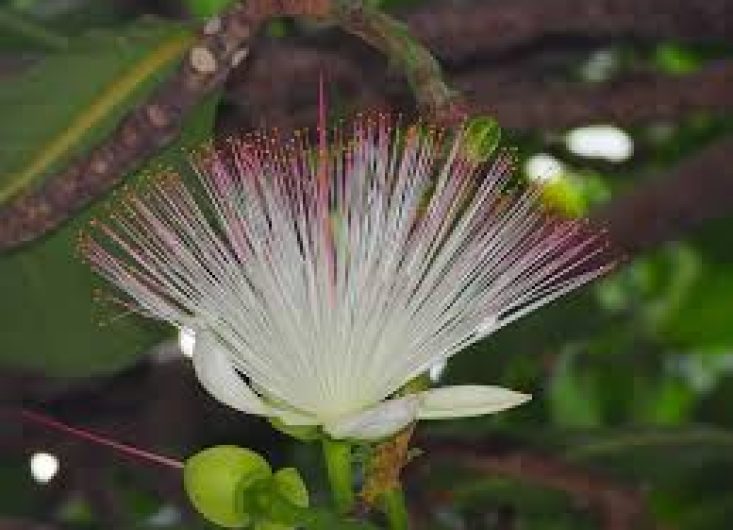
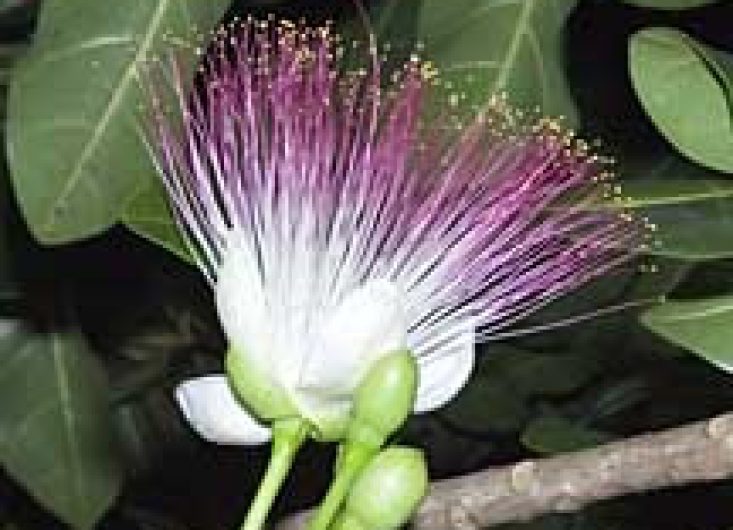
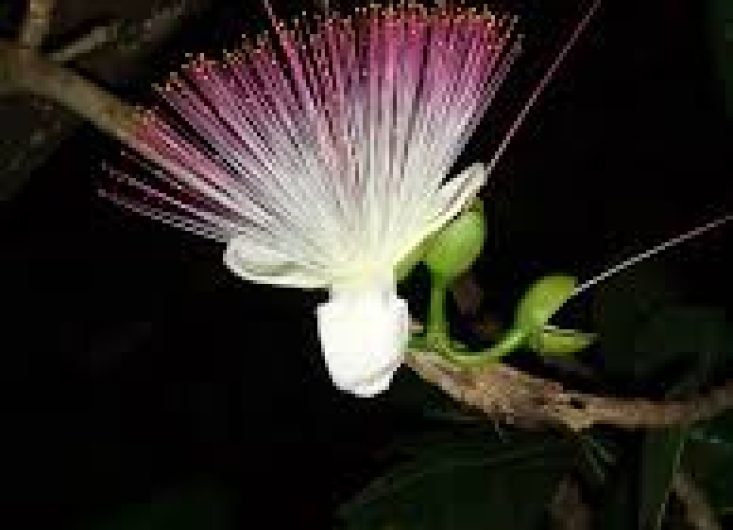
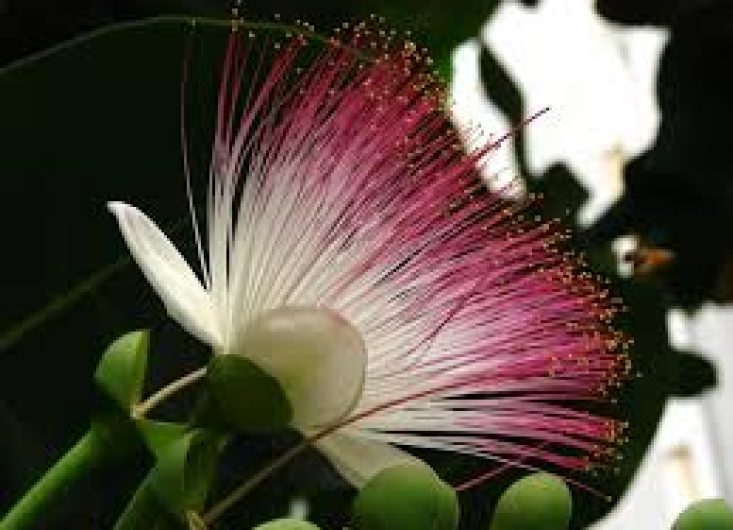
Parking area, along the main path in front of Rooms 11-35, near the Camera Room door
There are several species of Heliconia in the resort, 8 as of last count. Their “flowers” are actually modified leaves (called bracts); the actual Heliconia flowers tend to be small and are sheltered within the bracts.
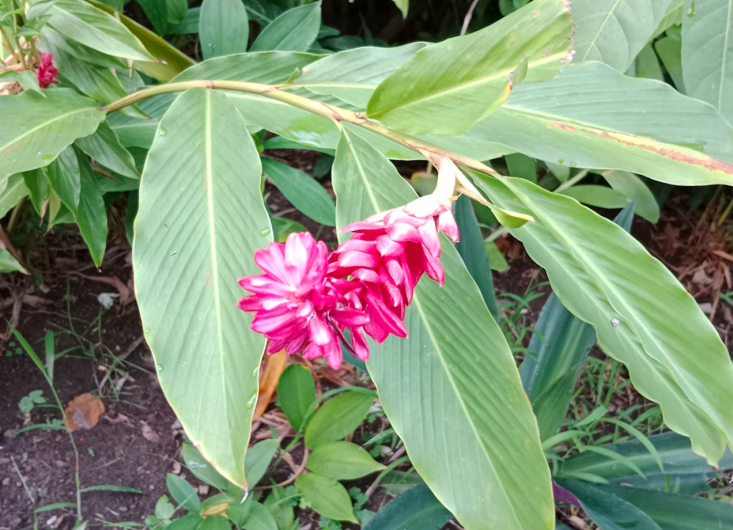
Red Ginger - Alpinia Purpurata
Local name: Luy-a
Location:
All over the resort, along the main path
I think the reason we have this all over the resort is because it’s so easy to grow! Once its flowers are past its prime, baby ginger plants develop along the flower’s base.
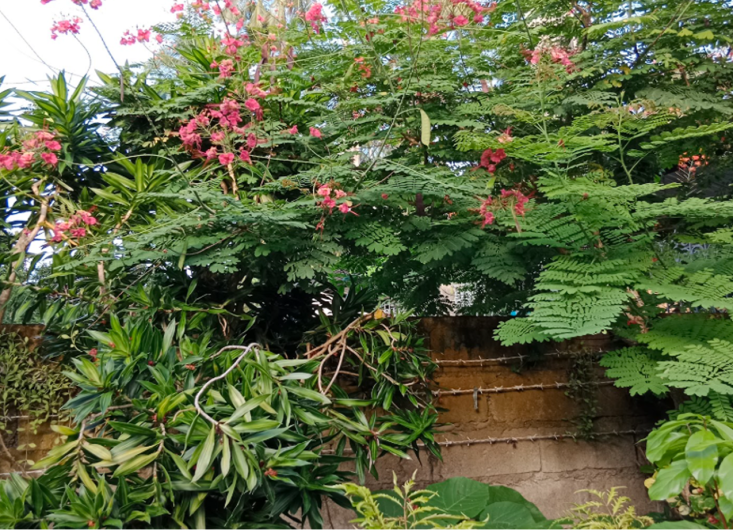
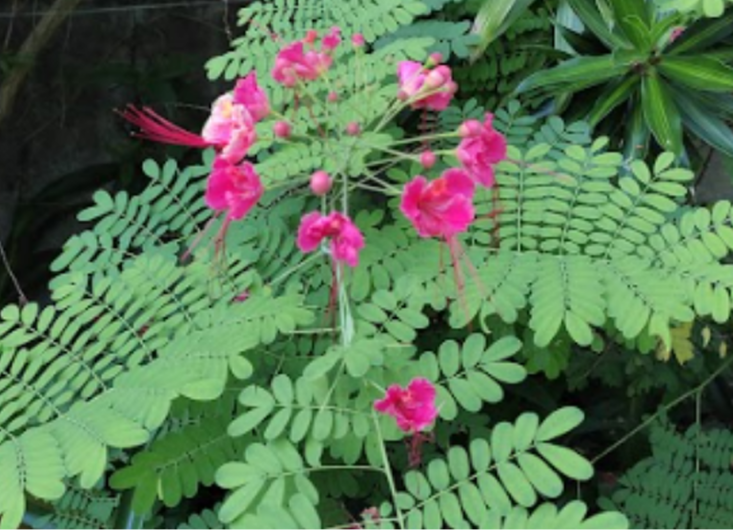
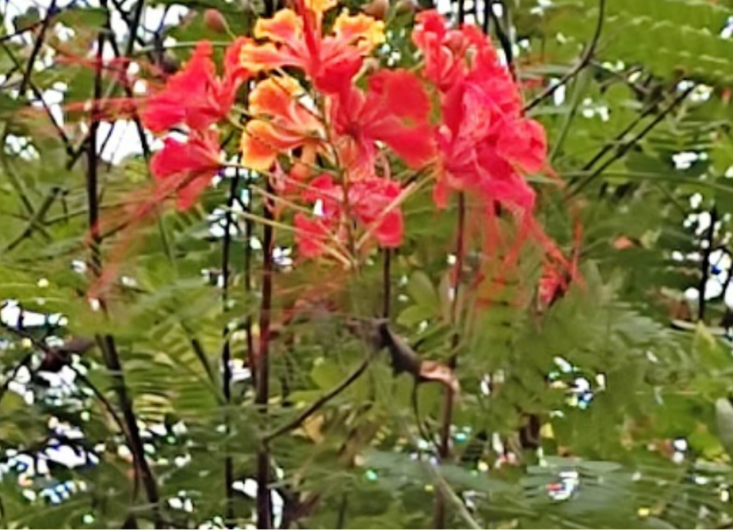
Peacock Flower - Caesalpinia Pulcherrima
Local name: Caballero
Location:
Parking area
Careful, this shrub has thorns. Some of the locals claim that young seed pods of this plant can be used for deworming kids.
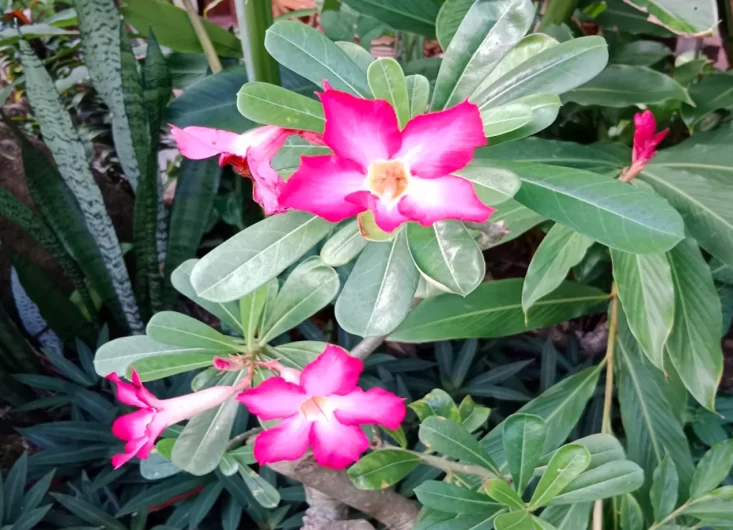
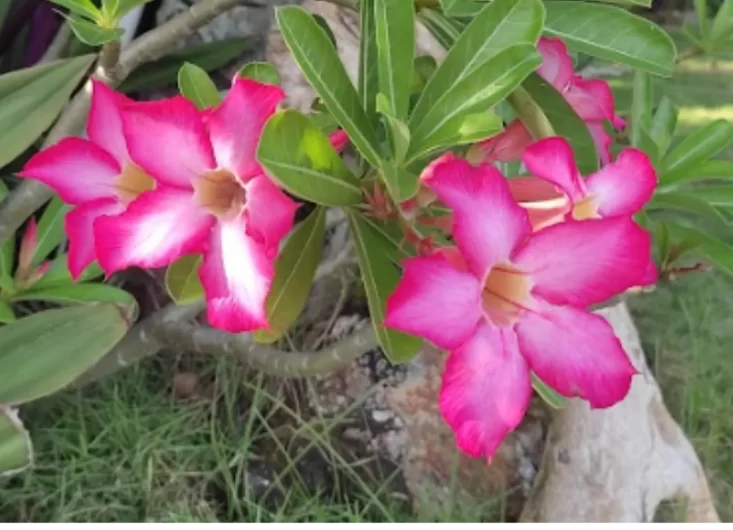
Desert Rose - Adenium Obesum
Local name: Calachuchi Bisaya
Location:
Near Room 26; southern corner of beachfront; swimming pool fountain
Wash your hands well after handling the pretty flowers of this plant. Your hands, and whatever you touch, will taste very bitter after touching it. The plant readily weeps sap (also extremely bitter) if its leaves are broken or if its stem and branches are nicked.
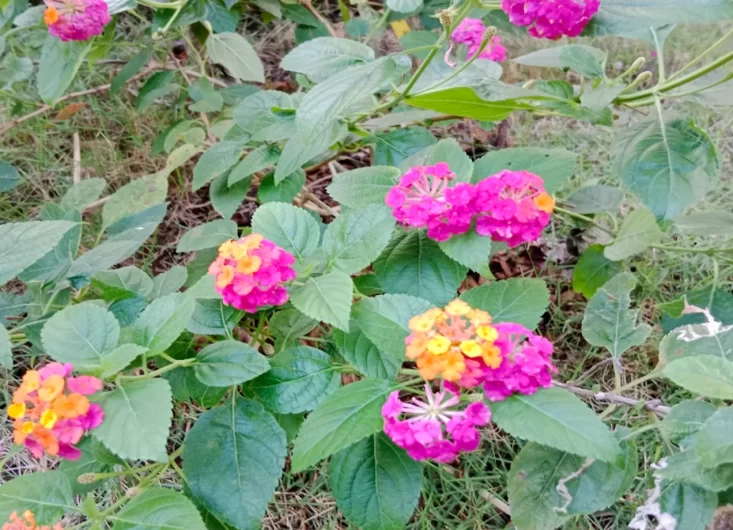
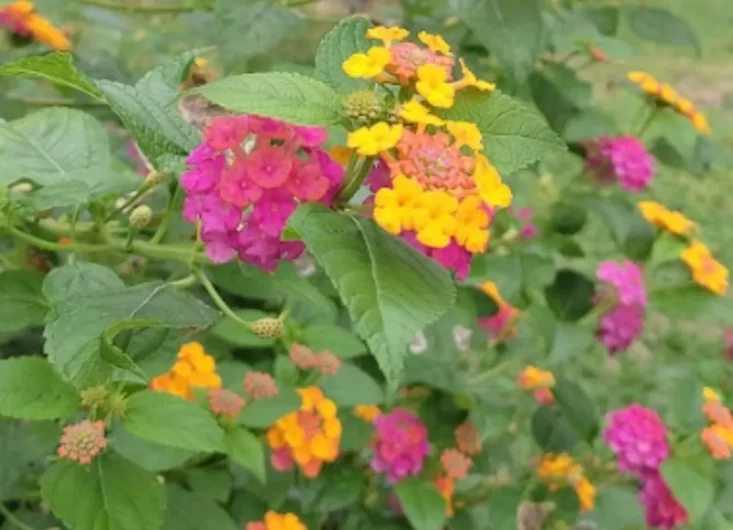
Shrub Verbena - Lantana Camara
Local name: Baknit
Location:
Parking area; beside the swimming pool
The leaves of this shrub exude a very distinct scent if crushed. Its stem has bristly hairs and prickles, so please be careful when handling it. Farmers actually consider this plant a weed.
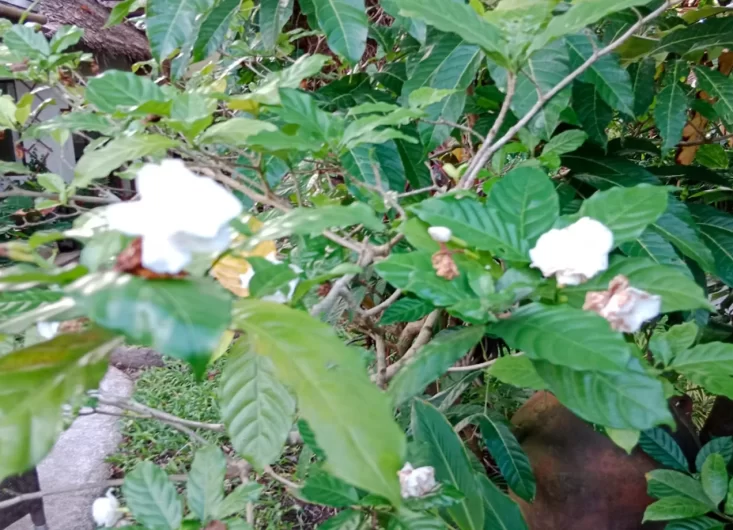
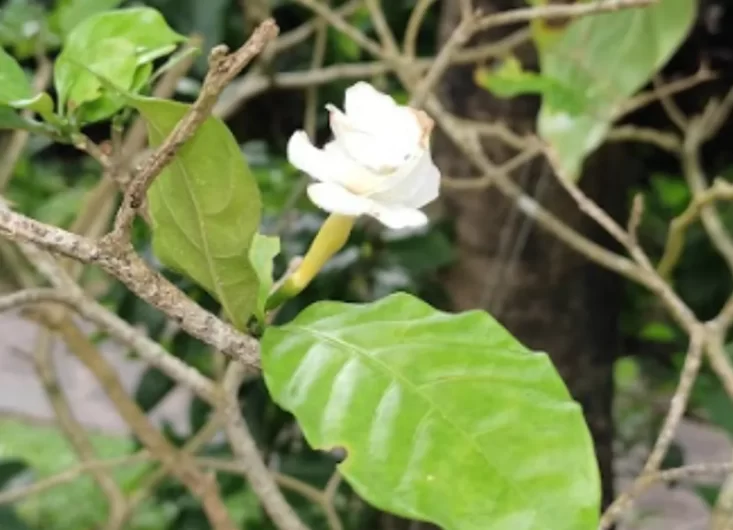
Cape Jasmine - Gardenia Jasminoides
Local name: Rosal
Location:
By the swimming pool; in between the Restaurant and Room 1
When in full bloom, this pure white blossom has a delicate scent. Local florists use this flower as the centerpiece for garlands because of its beauty, scent, and non-allergenic properties.
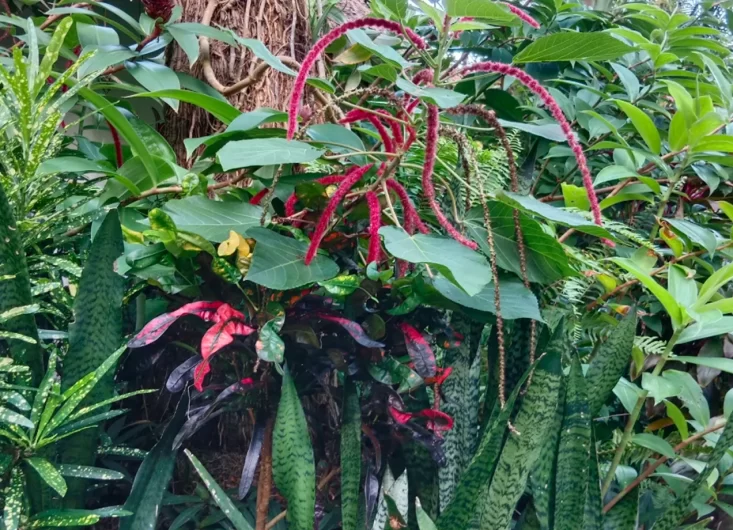
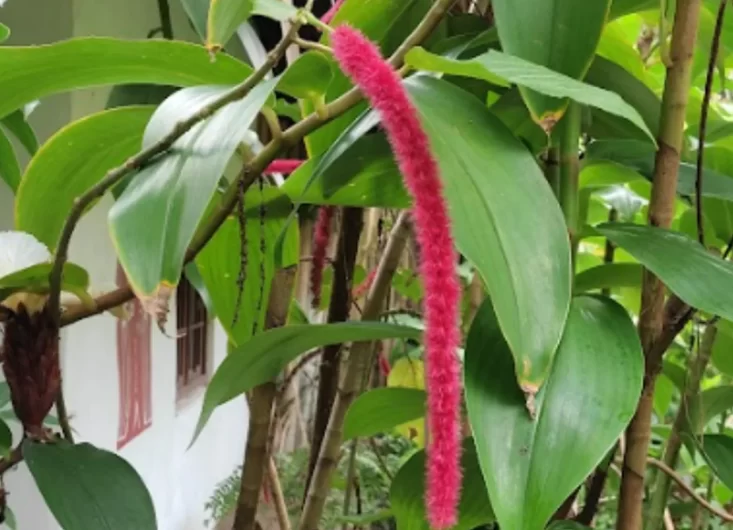
Chenille Plant - Acalypha Hispida
Local name: Ikog sa Iring
Location:
In front of Room 8
Chenille is the French word for caterpillar, which this plant’s flowers resemble. Like some caterpillars, this plant’s sap can also cause skin irritations.
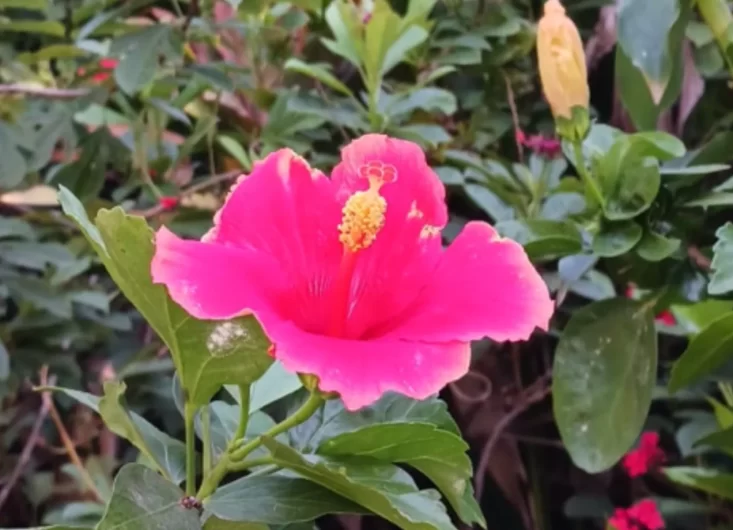
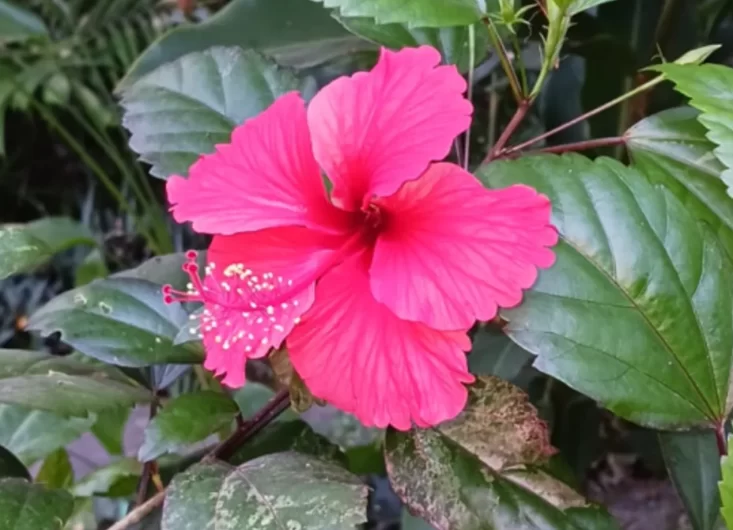
Tropical Hibiscus - Hibiscus rosa-sinensis
Local name: Gumamela, Antulanga
Location:
By the Swimming Pool, along the pathway going to the beach
The Gumamela is native to tropical Asia and has been cultivated intensively for ornamental purposes. Horticulturists have been able to develop quite a few different varieties of the Gumamela, several of which can be found here in Atlantis.
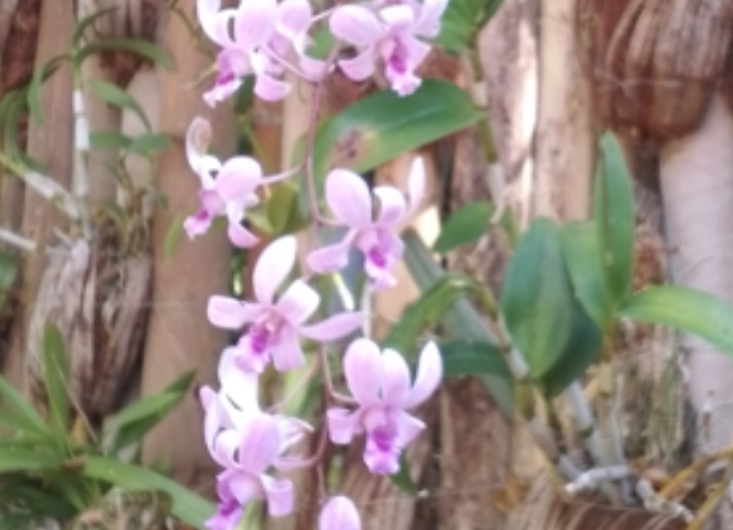
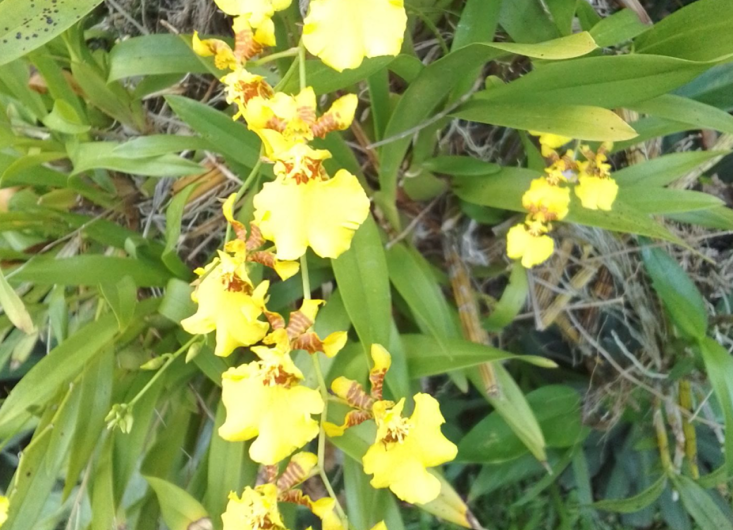
Orchids
Location:
All along the pathway from the Parking Area to Room 40
Orchids are one of the largest and diverse groups of Philippine flowering plants. There is estimated to be over 1200 species, varieties, and forms of orchids that can be found here. Furthermore, quite a few of those are endemic (native only to the Philippines).
Dendrobium orchid
Oncidium orchid
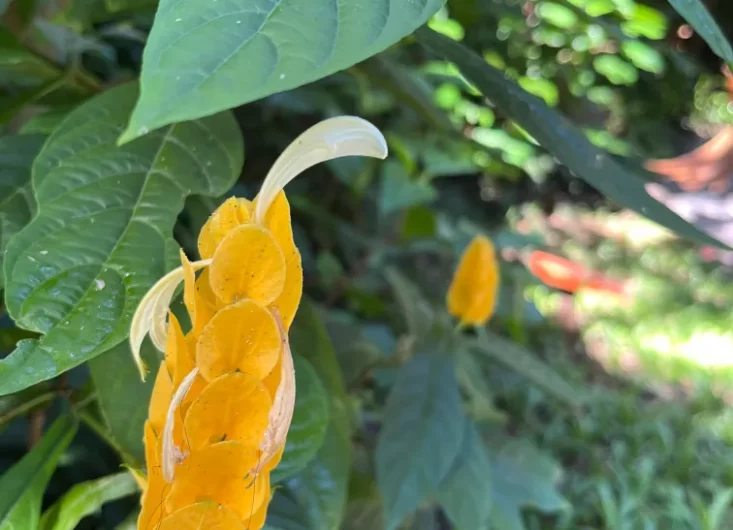
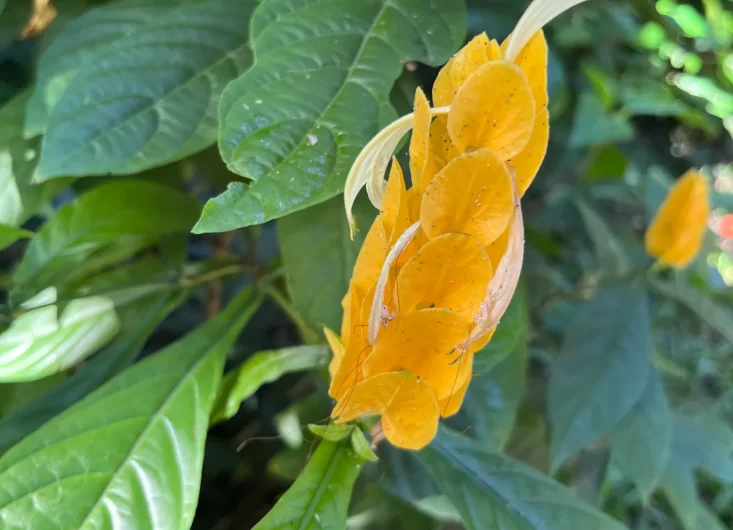
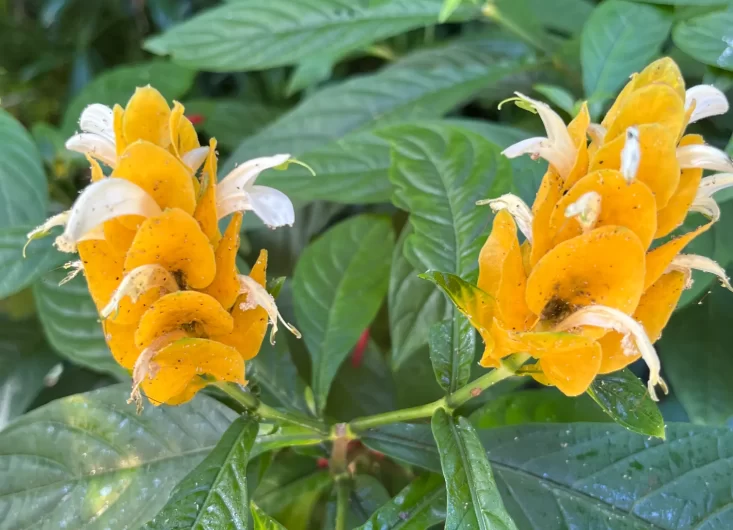
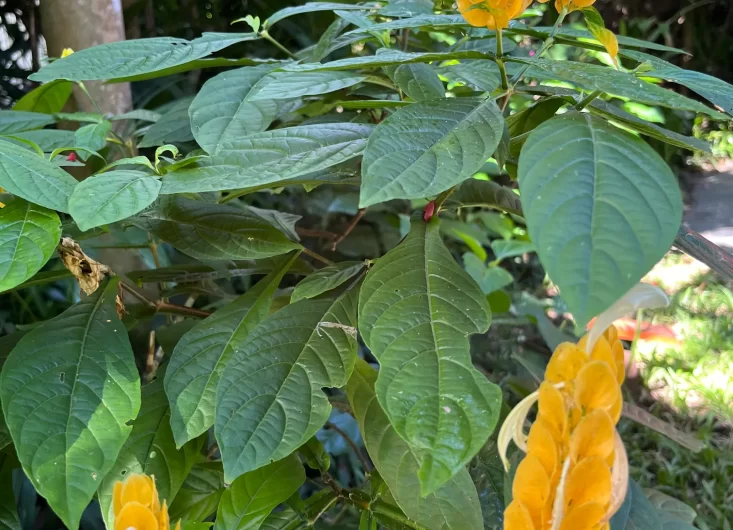
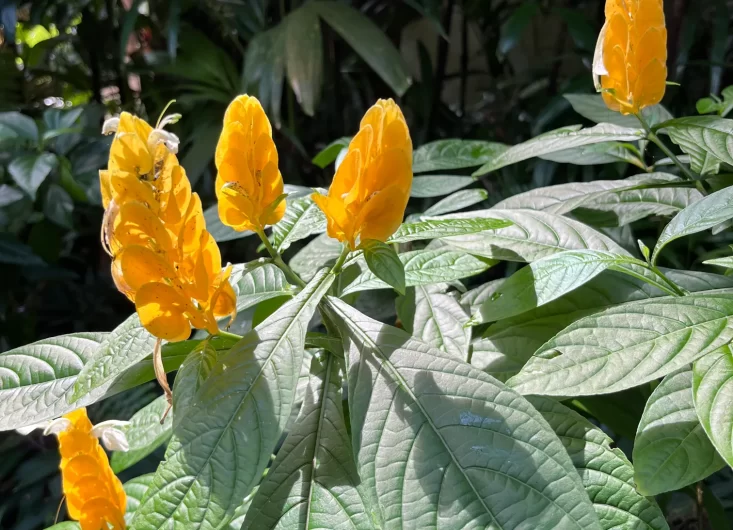
Yellow Candle Flower
Location:
In front of Room 27 along the pathway
The Yellow Candle Flower (Pachystachys lutea), also known as the Golden Shrimp Plant, is an ornamental tropical shrub admired for its bright, candle-like yellow bracts and delicate white flowers. It thrives in warm, humid climates and blooms year-round when given enough sunlight.
This plant is commonly used in landscaping for its vibrant color and low maintenance needs. It grows well in partial shade to full sun and prefers consistently moist, well-drained soil. The Yellow Candle Flower attracts butterflies and adds a striking, decorative touch to gardens, pathways, and resort landscapes.
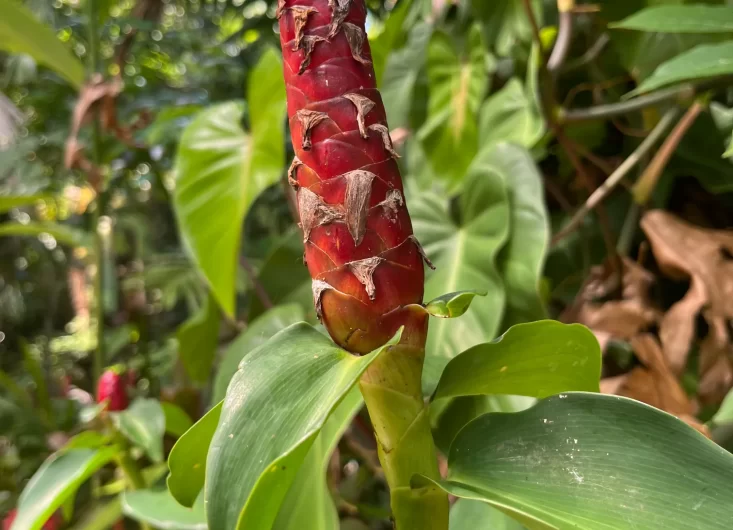
Crepe Ginger - Costus speciosus
Location:
Beside room 11 and infront of the Spa
Costus speciosus, commonly known as Crepe Ginger, is a tropical ornamental plant prized for its striking spiral stems, lush green foliage, and distinctive cone-shaped red bracts that produce delicate, white, crepe-like flowers. Native to Southeast Asia and India, it thrives in warm, humid environments and grows well in partial shade.
Known for its bold, architectural appearance, Crepe Ginger is frequently used in tropical landscaping, adding height, texture, and exotic flair to gardens, resorts, and shaded outdoor areas. Aside from its ornamental value, it has been traditionally used in folk medicine across various cultures.
With its attractive spiraling growth, vibrant bracts, and low-maintenance nature, Crepe Ginger is a standout choice for enhancing lush, tropical garden designs.
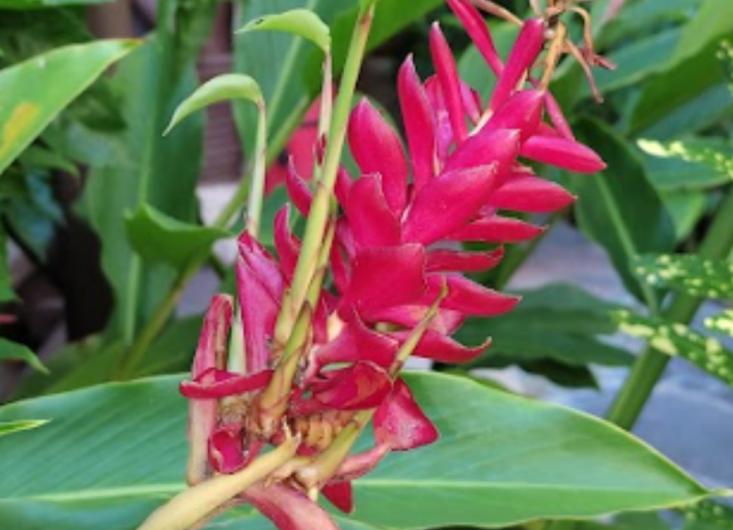
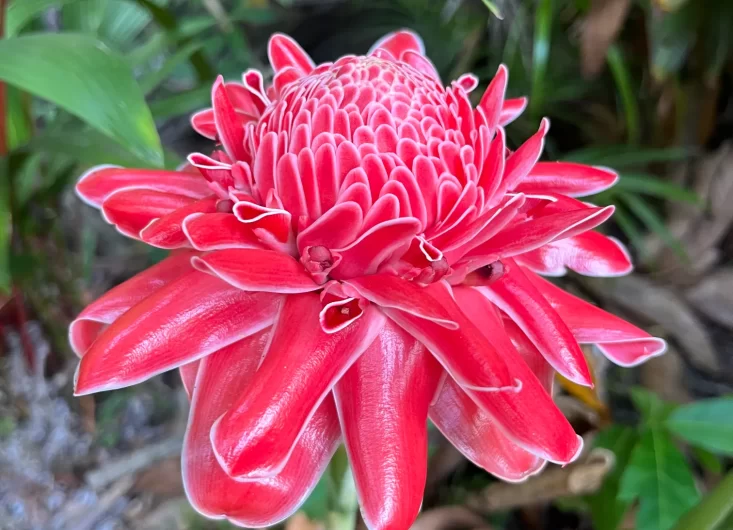
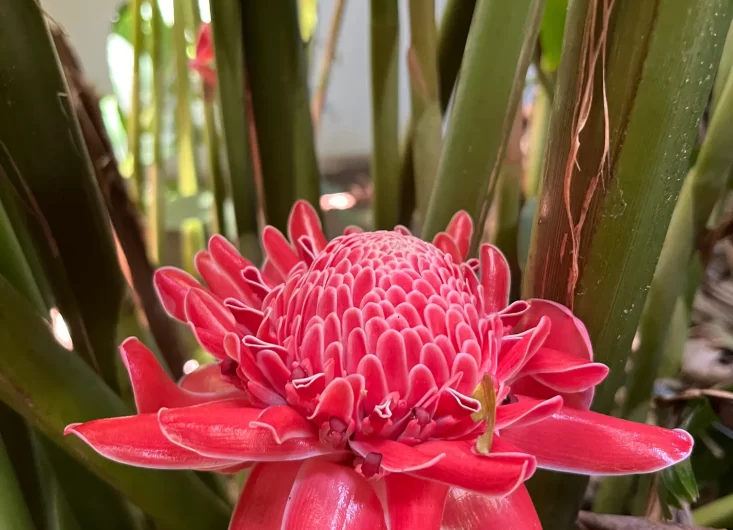
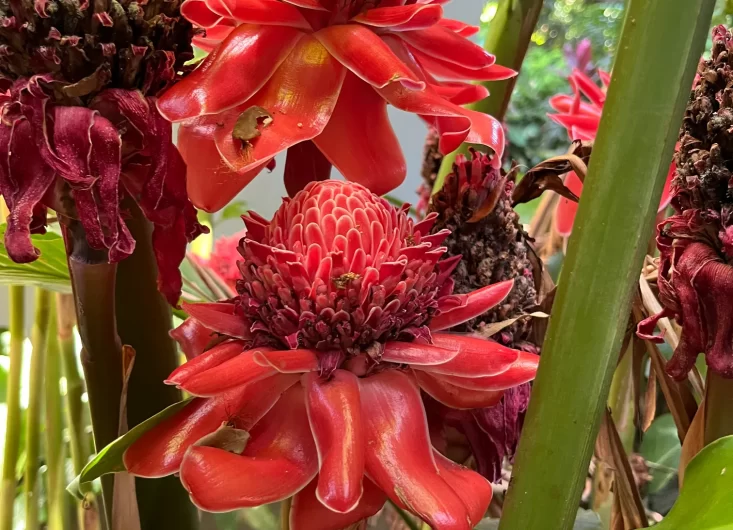
Torch Ginger
Location:
In front of Room 18, Pathway going to the carpark and near Camera Room
The Torch Ginger (Etlingera elatior), also known as Red Ginger Lily or Philippine Wax Flower, is a spectacular tropical plant celebrated for its large, torch-like flower heads in vibrant shades of red, pink, or salmon. Native to Southeast Asia, this plant produces dramatic, waxy blooms that emerge on tall, sturdy stalks, making it a favorite in exotic gardens and floral arrangements.
Torch Ginger thrives in warm, humid climates and grows best in partial shade, rich soil, and consistently moist conditions. Aside from its ornamental beauty, its young flower buds are used in certain Southeast Asian cuisines for flavoring.
Known for its striking presence, architectural height, and long-lasting blooms, Torch Ginger adds a bold, tropical statement to landscapes, resorts, and lush garden designs.
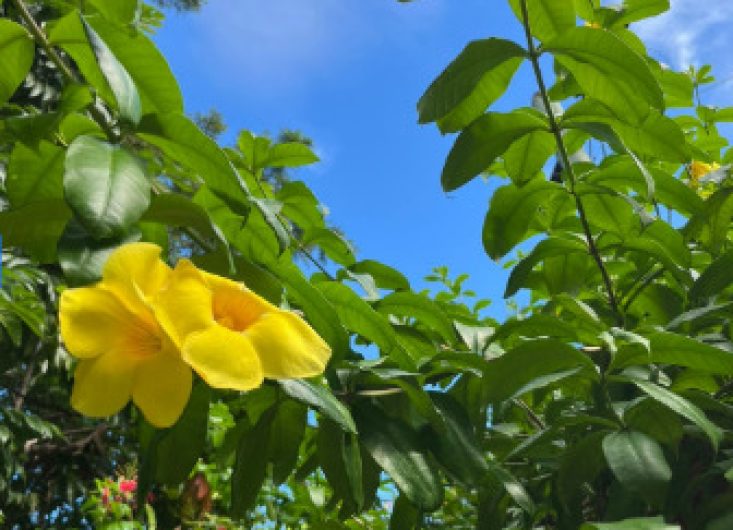
Yellow Bell
Location:
By the pool and entrance arch going to resort.
The yellow bell flower, also known as Allamanda cathartica or Tecoma stans, is a bright, trumpet-shaped flower commonly found in tropical and warm climates, admired for its vibrant yellow color and ornamental beauty.
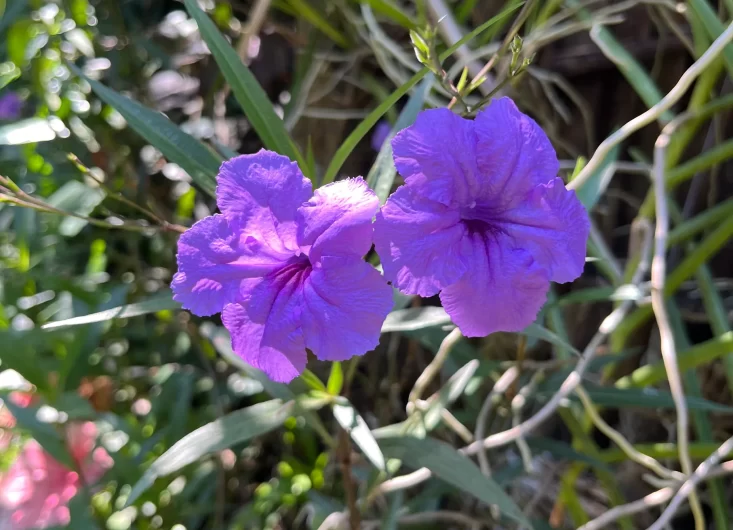
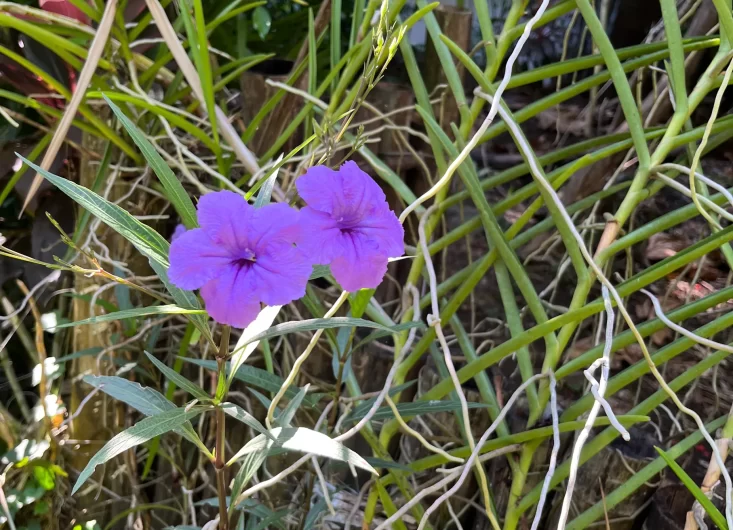
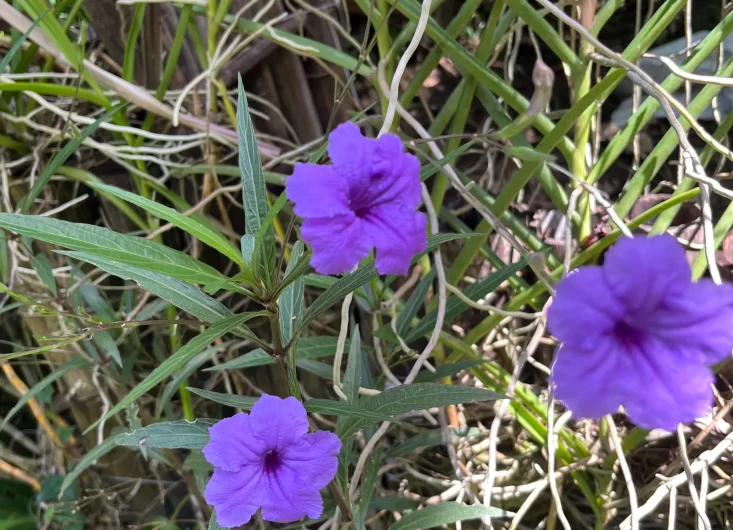
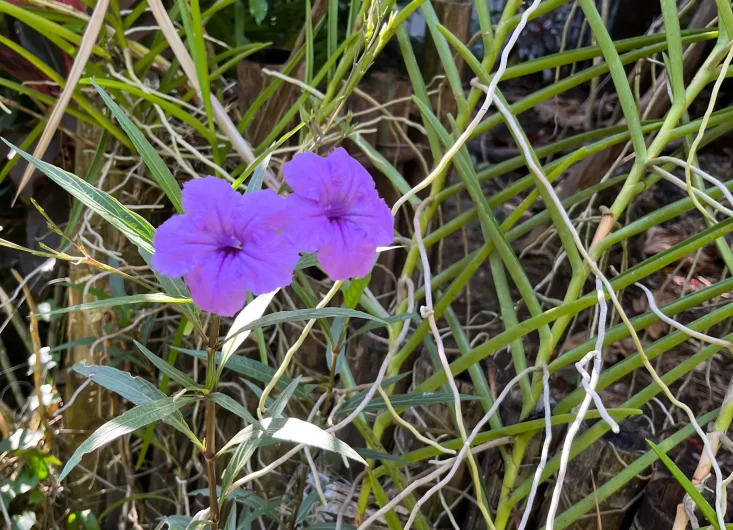
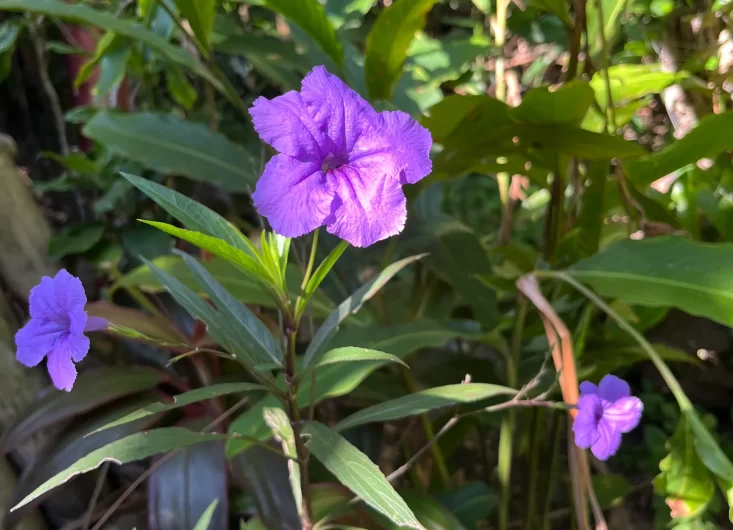
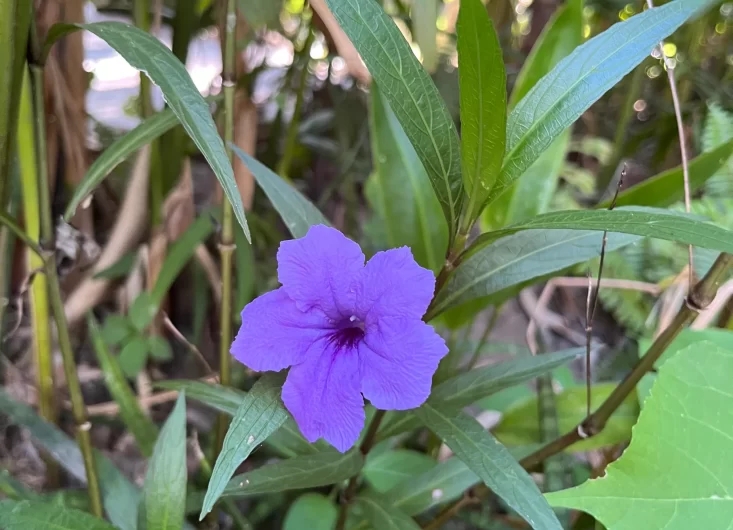
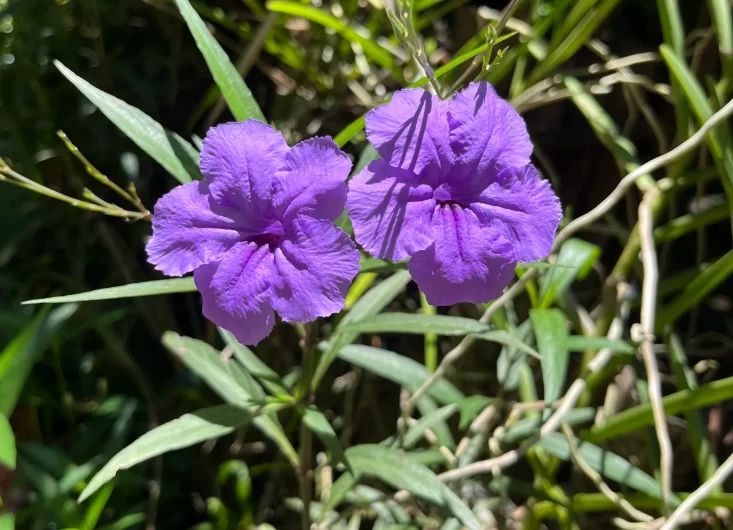
Mexican Petunia
Location:
Along the resort pathway. Can be seen everywhere
Ruellia simplex is native to Mexico, the West Indies, western Bolivia, southwestern Brazil, Paraguay, Uruguay, and northeastern Argentina. It has been widely used as an ornamental plant and has escaped from cultivation in the United States, Australia and parts of Asia, as well as several Pacific Islands.
It has become invasive in some of these areas, forming dense, single-species stands of vegetation which threaten native plants. It is mainly a plant of wet places such as ditches, pond verges, lakesides and marshes, but can survive in drier conditions.
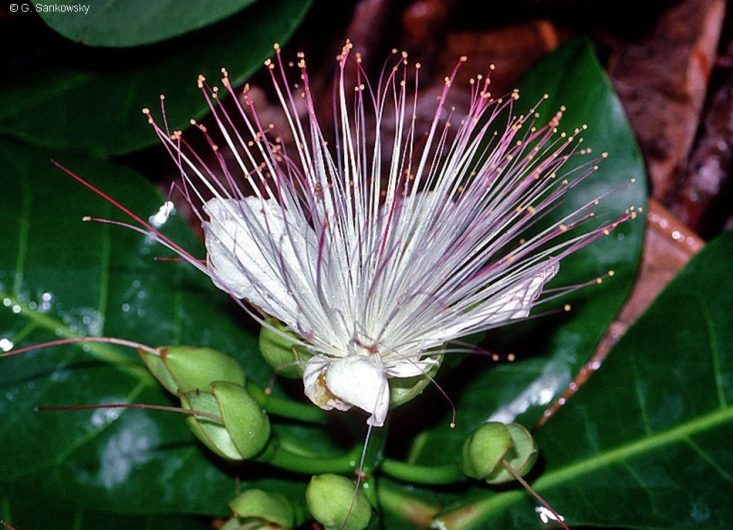
Barringtonia Asiatica
Location:
In between Room 14 & Room 39
Barringtonia asiatica, known variously as fish poison tree, putat and beach Barringtonia among other names, is a species of plants in the brazil nut family Lecythidaceae. It is native to coastal habitats from Tanzania and Madagascar in the west to tropical Asia, northern Australia, and islands of the western Pacific Ocean.