Dumaguete Resort Flora

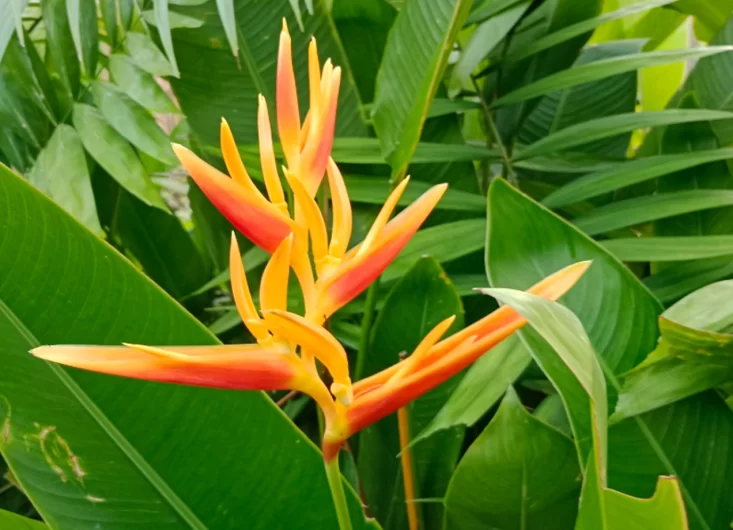
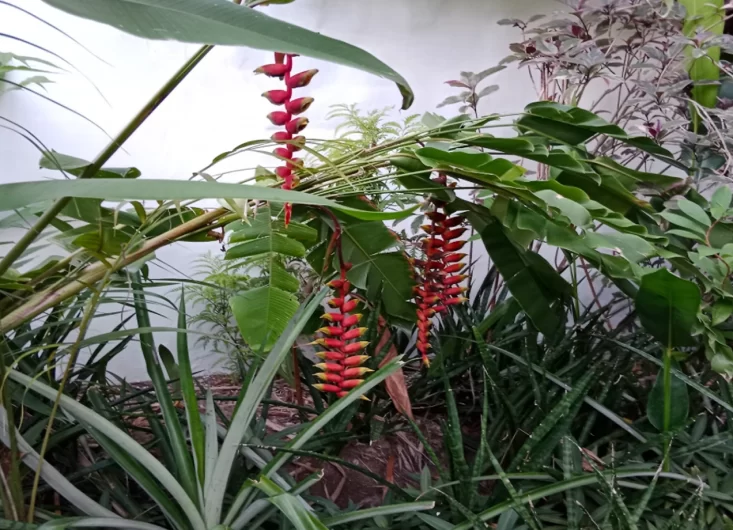
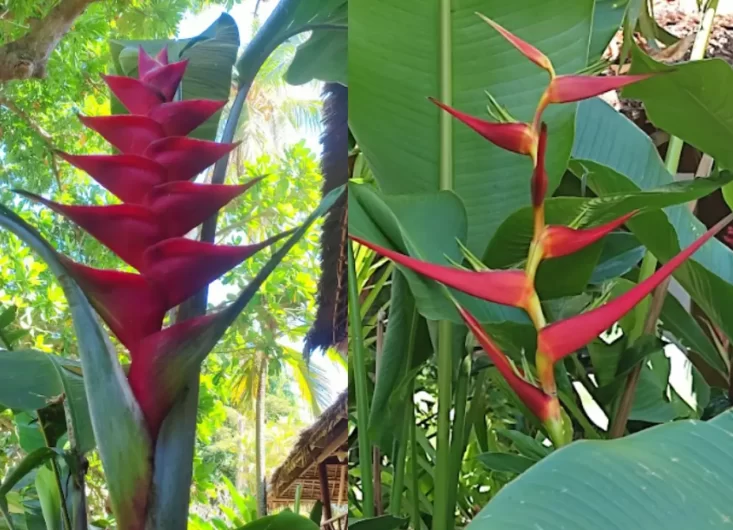
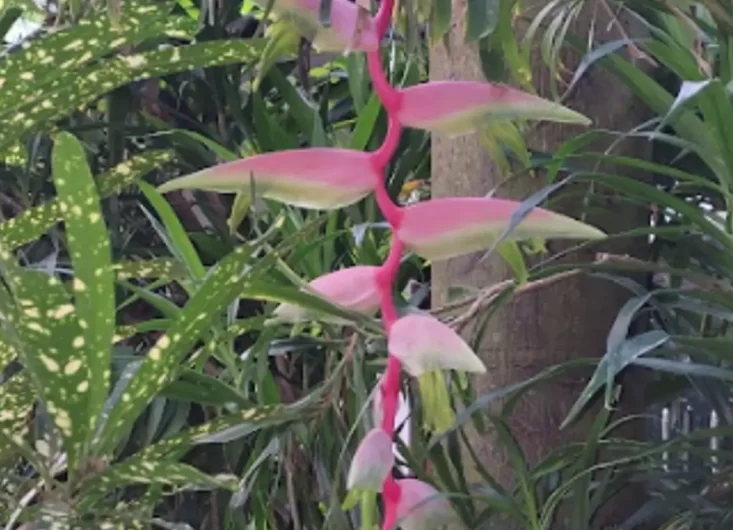
Heliconia

There are several species of Heliconia in the resort, 8 as of last count. Their “flowers” are actually modified leaves (called bracts); the actual Heliconia flowers tend to be small and are sheltered within the bracts.

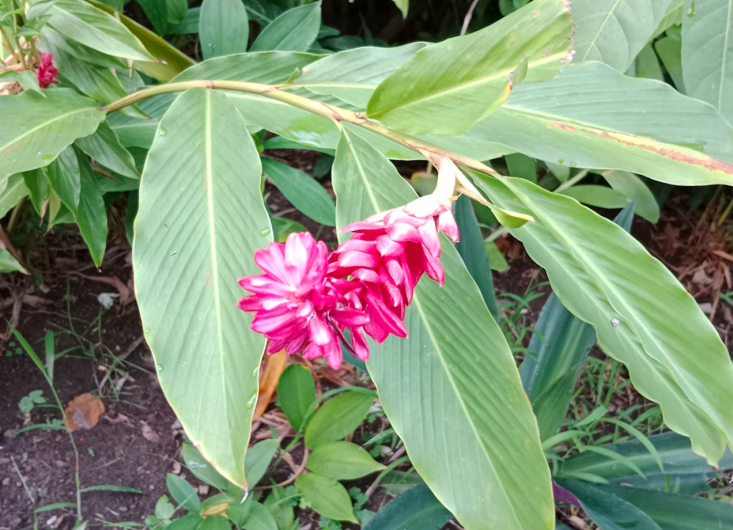
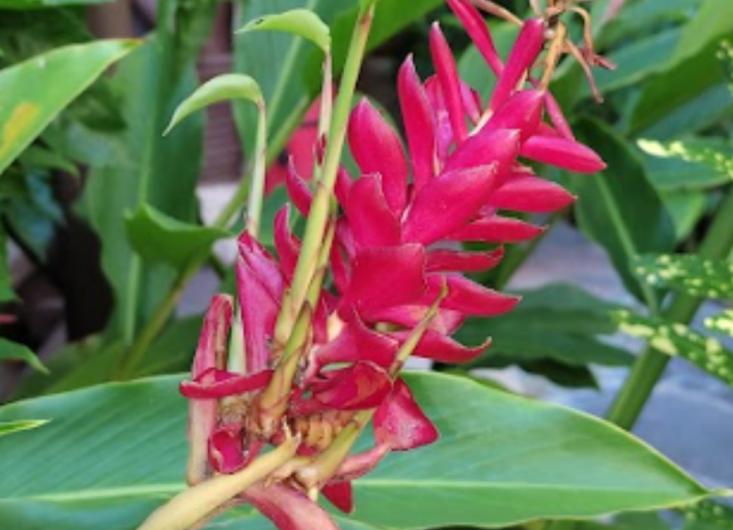
Red Ginger - Alpinia Purpurata

I think the reason we have this all over the resort is because it’s so easy to grow! Once its flowers are past its prime, baby ginger plants develop along the flower’s base.

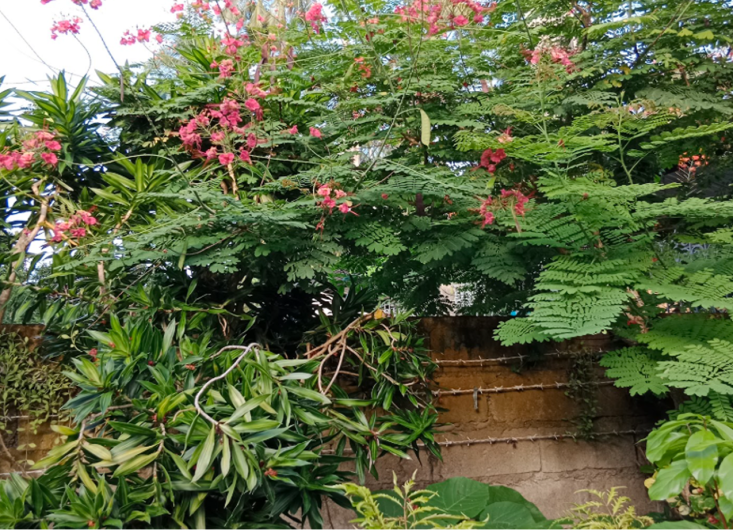
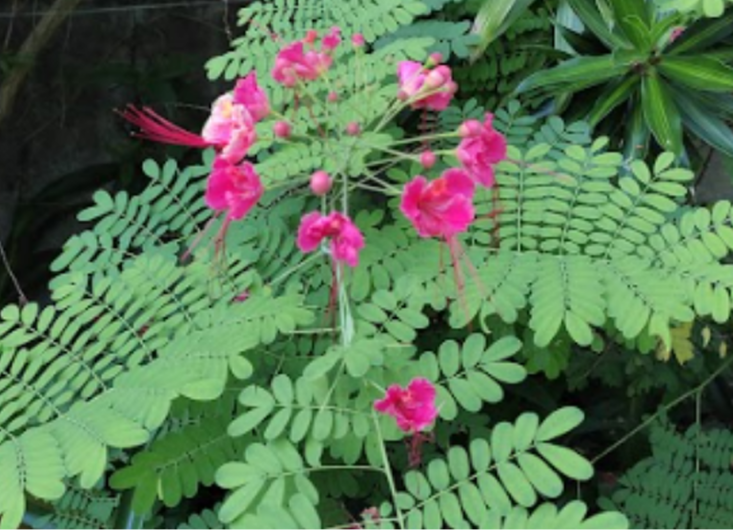
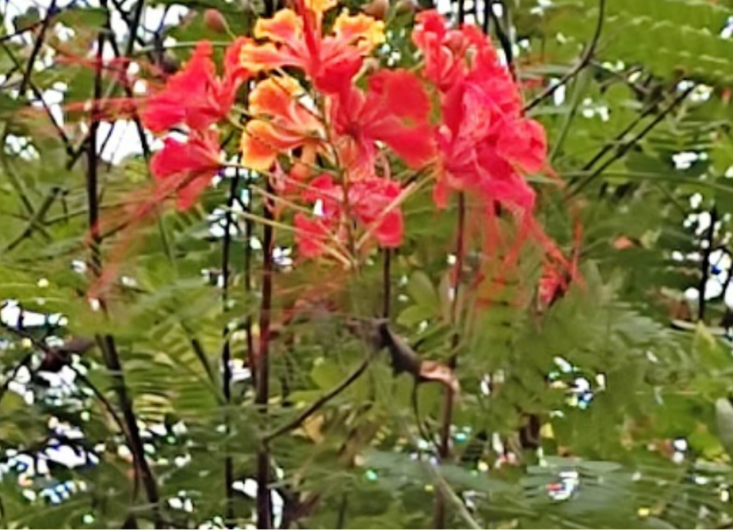
Peacock Flower - Caesalpinia Pulcherrima

Careful, this shrub has thorns. Some of the locals claim that young seed pods of this plant can be used for deworming kids. 

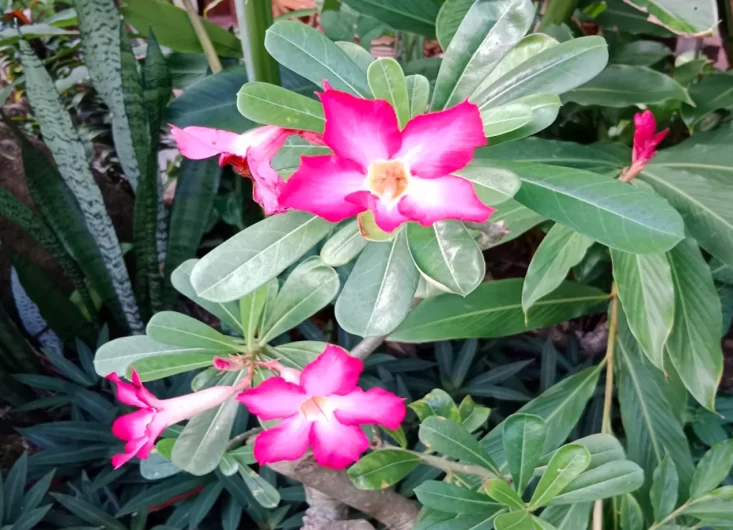
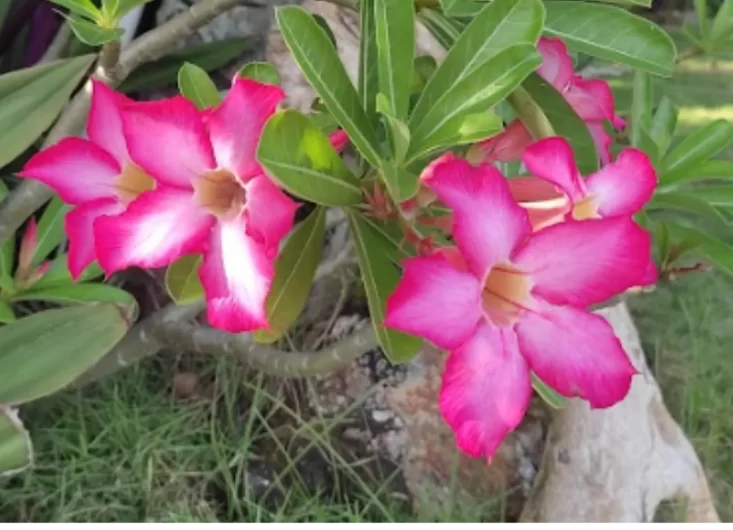
Desert Rose - Adenium Obesum

Wash your hands well after handling the pretty flowers of this plant. Your hands, and whatever you touch, will taste very bitter after touching it. The plant readily weeps sap (also extremely bitter) if its leaves are broken or if its stem and branches are nicked.

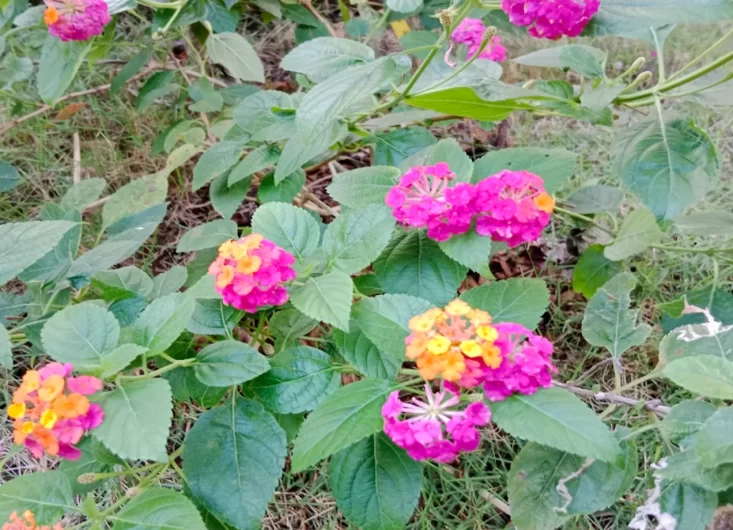
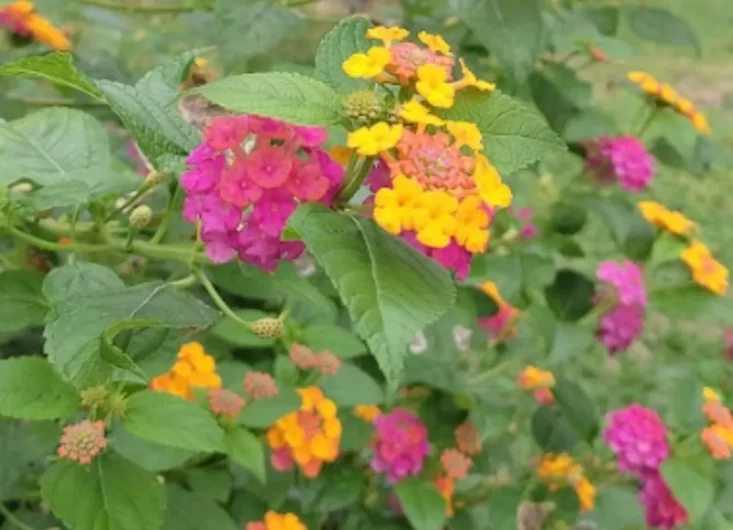
Shrub Verbena - Lantana Camara

The leaves of this shrub exude a very distinct scent if crushed. Its stem has bristly hairs and prickles, so please be careful when handling it. Farmers actually consider this plant a weed.

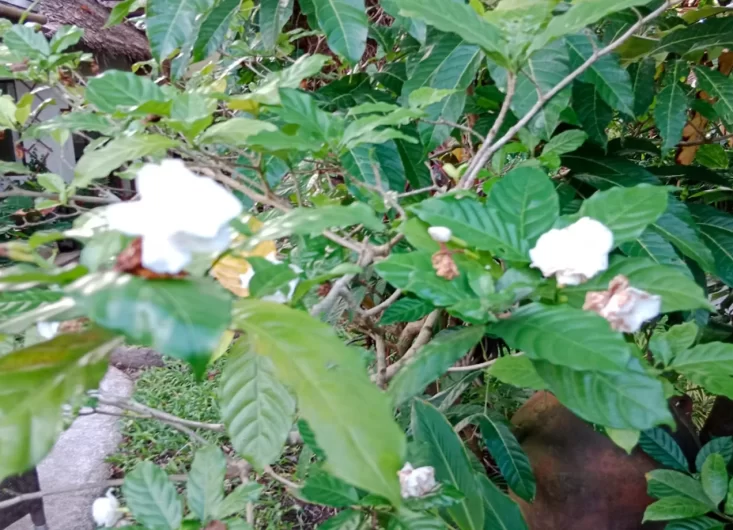
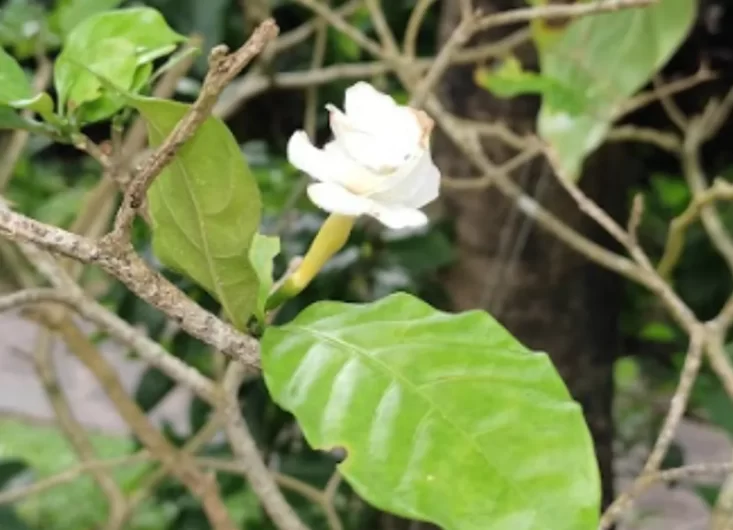
Cape Jasmine - Gardenia Jasminoides

When in full bloom, this pure white blossom has a delicate scent. Local florists use this flower as the centerpiece for garlands because of its beauty, scent, and non-allergenic properties.

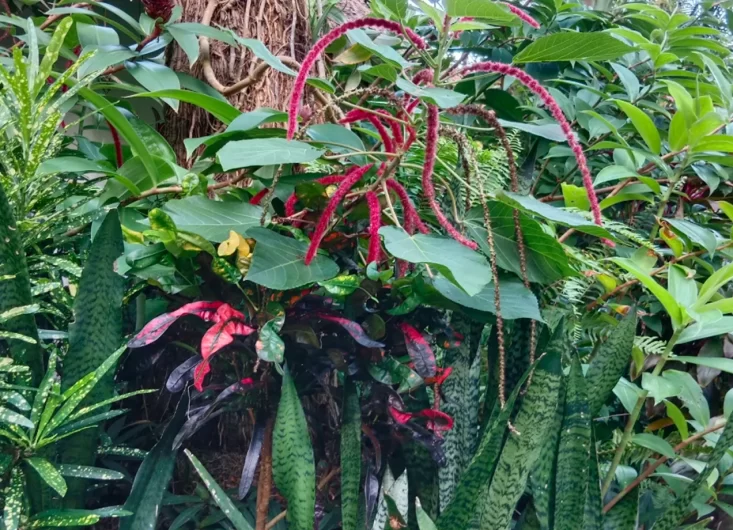
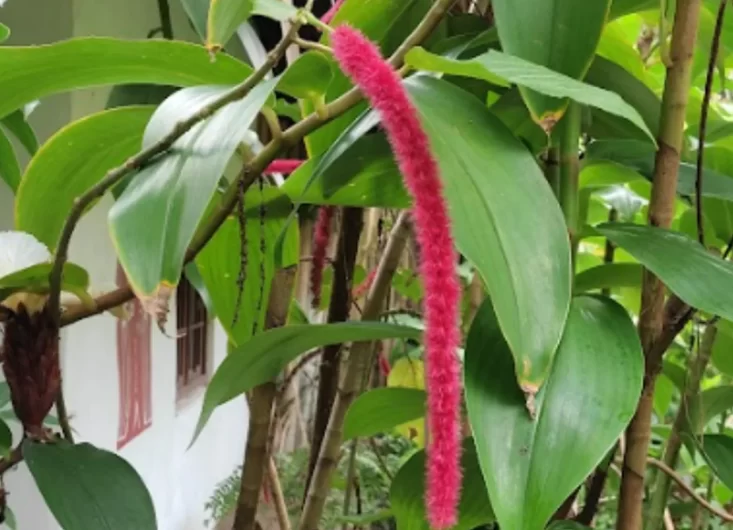
Chenille Plant - Acalypha Hispida

Chenille is the French word for caterpillar, which this plant’s flowers resemble. Like some caterpillars, this plant’s sap can also cause skin irritations.

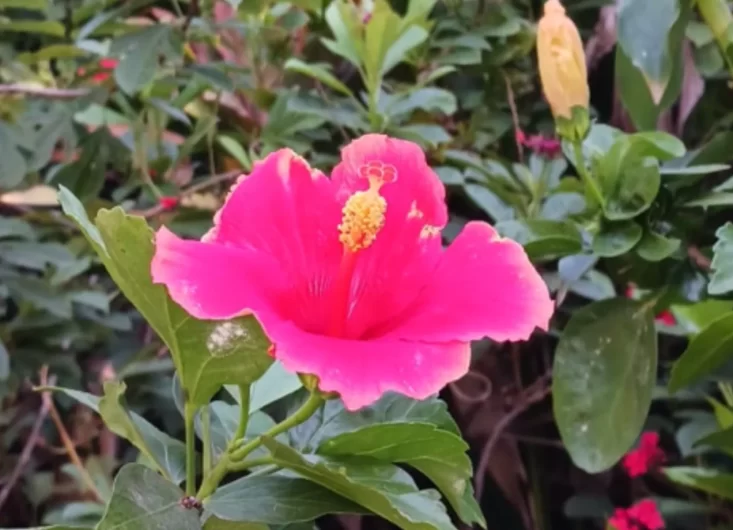
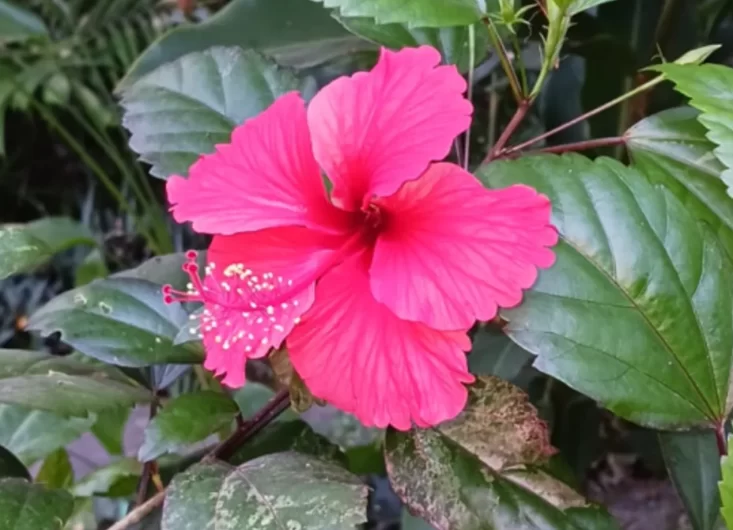
Tropical Hibiscus - Hibiscus rosa-sinensis

The Gumamela is native to tropical Asia and has been cultivated intensively for ornamental purposes. Horticulturists have been able to develop quite a few different varieties of the Gumamela, several of which can be found here in Atlantis.

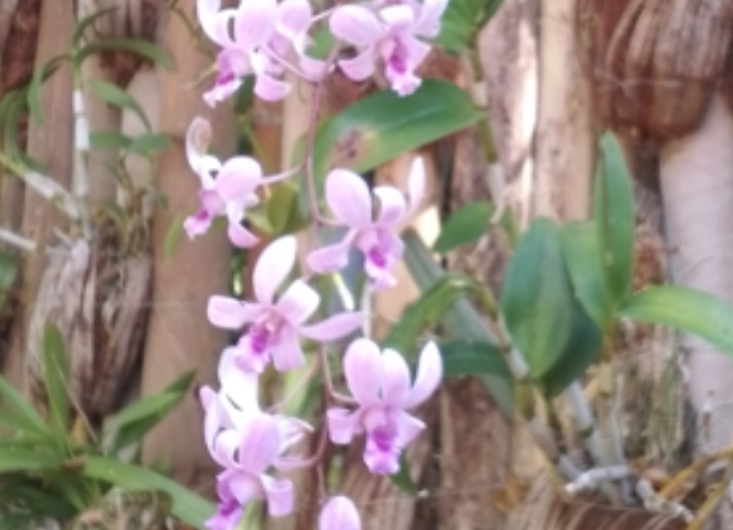
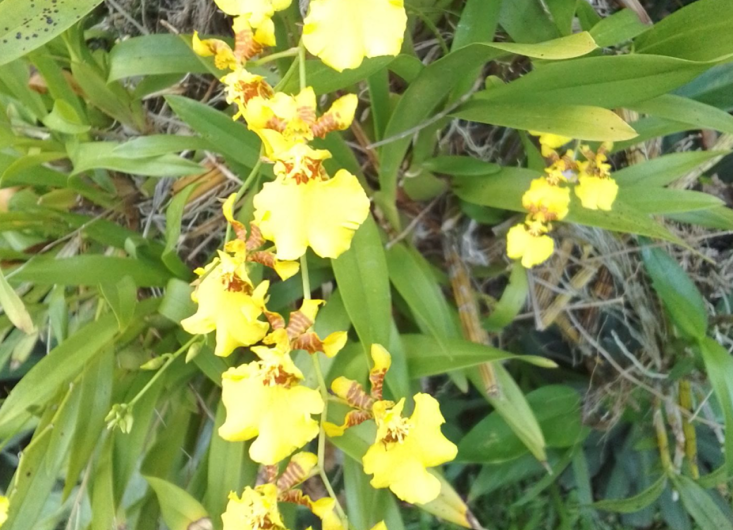
Orchids

Orchids are one of the largest and diverse groups of Philippine flowering plants. There is estimated to be over 1200 species, varieties, and forms of orchids that can be found here. Furthermore, quite a few of those are endemic (native only to the Philippines).